Skip to content
  • Contact
  • For patients
    • Argentina
    • Australia
    • Austria
    • Belgium FR
    • Belgium NL
    • Brasil
    • Canada EN
    • Canada FR
    • Danmark
    • Deutschland
    • España
    • Finland
    • Finland
    • France
    • Global master
    • India
    • Israel EN
    • Italia
    • Japan
    • Nederland
    • Norway
    • Poland
    • Portugal
    • South Africa
    • Spain
    • Sweden
    • Switzerland DE
    • Switzerland FR
    • UAE
    • United Kingdom
    • United States
    • 中国 ZH
Coloplast Professional
  • Ostomy

    All content

    All content

    E-learning

    All e-learnings

    Articles

    All articles

    Videos

    Prevention Guide

    Patient cases

    All patient cases

    All evidence

    All evidence

    Short reads

    All shortreads

    All ostomy products

    Product catalogue

    Patient resources

    All patient resources Educational videos Instructions for use Assessment

    Tools for professionals

    All tools for professionals Fit Tool

    All events

    Event calendar

    All campaigns

    All campaigns

    Faglige nyhedsmails

    Faglige nyhedsmails - stomi
  • Bladder

    Videos

    All videos

    Articles

    All articles

    Webinars on demand

    All webinars on demand

    E-learning

    All e-learnings

    Patient resources

    Instructions for use Tools

    Tools for professionals

    All tools UTI Risk Factors Model

    Clinical evidence

    All clinical evidence

    All continence products

    Product catalogue

    All campaigns

    All campaigns
  • Bowel

    Patient resources

    All instructions

    Tools for professionals

    All tools for professionals

    Videos

    All videos

    E-learning

    All e-learning

    Articles

    All articles TAI LARS

    Webinars on demand

    All webinars on demand

    Shortreads

    All shortreads

    Evidence

    All evidence

    All bowel products

    Product catalog
  • Wound

    Conferences

    EWMA

    Webinar

    Surgical Wounds

    E-learning

    All E-learnings Diabetic Foot Ulcer Leg Ulcers Moist Wound Healing Pressure Injury Management Pressure Injury Prevention Skin Integrity Wound Assessment and Management Wound Healing Wound Infections

    Podcast

    Assess, Prepare and Treat

    Workshops

    Workshops

    How to treat chronic wounds

    Wound Care Pathway

    How to treat specific wound types

    The Wound Type Specific Pathways Surgical wound dehiscence Pressure injury ulcer Malignant wound Skin tear Burn Diabetic foot ulcer Venous leg ulcer

    Wound Care knowledge

    Stages of wound healing Wound debridement Exudate management The role of the skin Infection and biofilm Moist wound healing Pressure injury prevention

    Tools and guides - Download center

    Product selection tool Evidence Cutting guide Wound Pathways Triangle of Wound Assessment

    How to use our products

    How to apply Gelling Fibers How to apply Foam Dressings How to apply SIlicone Foam Dressings

    Featured products

    Comfeel® Alprep® Pad Biatain® Silicone Fit Biatain® Silicone Biatain® Fiber Ag Biatain® Superabsorber

    Product catalog

    Painful wounds Infected wounds Non-infected wounds Heavy exuding wounds Medium exuding wounds Exuding wounds Dry wounds

    Type of dressings

    Hydrocolloid dressings Contact layer Silver dressings Foam dressings Silicone foam dressings Gelling fibre dressings

    Get support

    Get support
  • Interventional Urology

    Erectile restoration

    Clinical and Economic Evidence Clinical Learning Webinars How to eLearning

    Male continence

    Clinical and Economic Evidence Clinical Learning eLearning

    Testicular replacement

    Clinical and Economic Evidence Clinical Learning How To eLearning

    More on men's health

    eLearning Podcasts Event Calendar

    Female Continence

    Clinical and Economic Evidence Clinical Learning Webinars How To eLearning

    Pelvic Floor Reconstruction

    Clinical and Economic Evidence Clinical Learning How To eLearning

    eLearning

    All eLearning

    Events

    Event Calendar

    Stone Management

    Clinical and Economic Evidence Coloplast TFL Drive Laser & Fibers Clinical Learning eLearning

    BPH

    Clinical and Economic Evidence Clinical Learning eLearning

    Soft Tissue Management

    Clinical Learning eLearning

    Events

    Event Calendar
Log in
Coloplast Professional
New Mobile navigation Shopping basket Shopping basket Shopping basket Print Icon Icon / delete Temp Info

This site is intended for Healthcare Professionals only. The site content is intended for informational- and educational purposes and may not be appropriate for all jurisdictions. Coloplast does not provide medical advice. Responsibility for patient care resides with the health care professional. For detailed device information on products presented, including instructions for use, contraindications, effects, precautions and warnings, please consult the product’s Instructions for Use (IFU) prior to use.

Yes, I am a Healthcare Professional No, I am not a Healthcare Professional

What is the Triangle of Wound Assessment?

Caring for wounds can be a complex and uncertain process. Wounds change constantly, which means that you must respond to each change in the right way to ensure optimal healing for your patients.

The Triangle of Wound Assessment is a simple and systematic framework that guides you in how to conduct holistic wound management .

It helps you to assess all key areas of the wound and take into account the important factors about the patient and their context that influence a wound’s healing process. It also assists you in setting clear management goals and selecting the best treatment.1

How to use the Triangle of Wound Assessment

The Triangle of Wound Assessment is a dynamic tool that presents a six-step approach to wound assessment.

With this simple tool, you will be able to:

  • establish a baseline for your assessment of the wound;
  • track the healing progression at each dressing change;
  • define a wound management plan that can be used by multidisciplinary care teams; and
  • ensure direct involvement of the patient in their care planning and treatment decisions.

The Triangle of Wound Assessment should be used at every patient visit or consultation to assess and document the progression of healing as well as any unexpected delays.

The tool helps you to ensure continuity in the way the wound is assessed and treated. It also makes it much easier for you to hand over care of the patient to other colleagues, who can easily follow up on the focus points you have identified.

Remember always to refer the patient to a specialist if you observe:

  • a less than a 20% improvement in the wound area over a period of four weeks;
  • unexpected increase in exudate;
  • suspected infection or biofilm;
  • increased pain or a general decline in the patient’s health and wellbeing.

Using the Triangle of Wound Assessment

 Video with Caroline Dowsett

Download the Triangle of Wound Assessment

Wound Assessment form

Wound Assessment form

PDF 2 pages
Preview

The three key areas of the wound

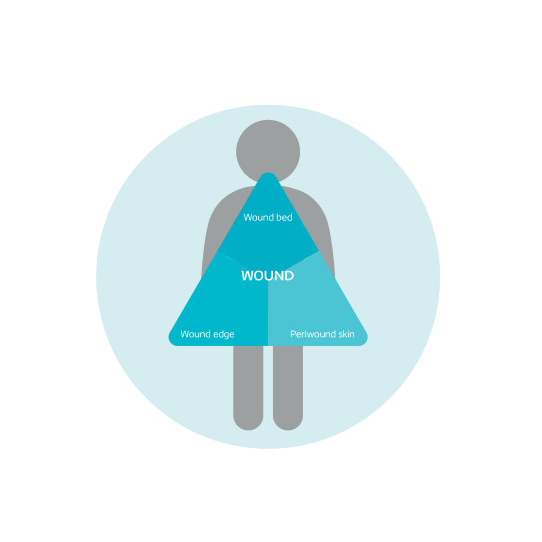
A wound consists of three key areas: the wound bed; the wound edge; and the skin around the wound - the periwound skin. For all types of wounds - particularly chronic wounds – it is important that all areas of the wound are assessed correctly. The more comprehensive a wound assessment you do, the less likely you are to see complications in the wound such as maceration, infection and biofilm.2  

The Triangle of Wound Assessment tool

Using the Triangle of Wound Assessment will not only help you to understand all factors that affect wound healing – from the wound itself to the interaction of medical, social and psychological factors unique to each patient – all of which are critical to developing an effective management plan.4 You will also find that the holistic approach to wound management has a positive impact on the patient’s care experience, all of which come together to speed up healing time and improve your patient’s quality of life.3

The Triangle of Wound Assessment was originally developed 2015 in collaboration with global wound care experts. It was revised in 2019 to include new developments and new challenges in wound care – such as the ‘gap’ between the wound bed and the dressing and biofilm prevention and management.
Download the Triangle of Wound Assessment

Wound Assessment form

Wound Assessment form

PDF 2 pages
Preview

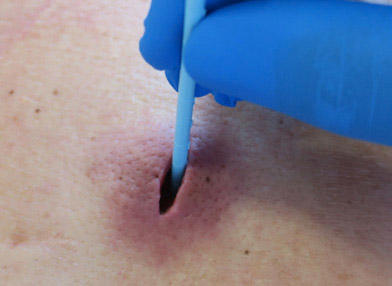
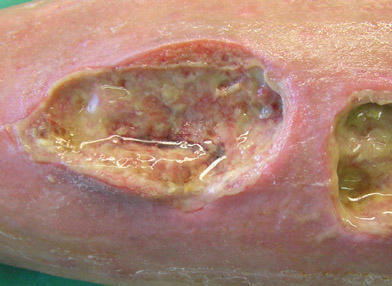
Assess the wound bed:

  • Measure the wound depth
  • Assess what tissue types can be observed i.e. slough, necrosis.
  • Check for exudate pooling
  • Determine the amount of wound exudate in both wound and dressing (how saturated is the dressing?).
  • Assess the colour, viscosity and odour of the wound exudate.

How deep is the wound?

Was the previous dressing the most appropriate?
Do you see exudate pooling?
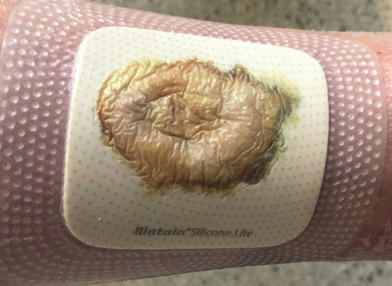
Did the previous dressing absorb and retain and retain the exudate?
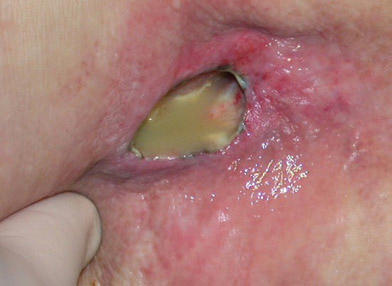
Is the exudate clear or cloudy?
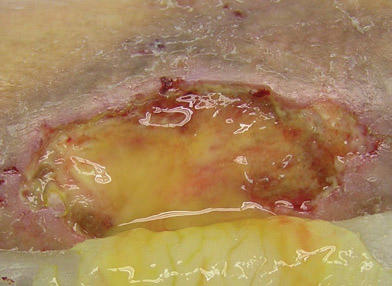
What colour does the exudate have?
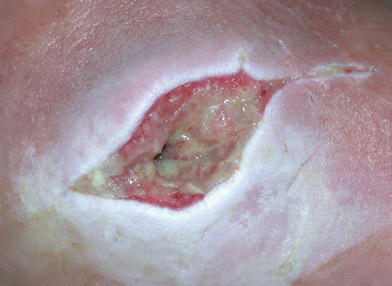
Download the Triangle of Wound Assessment

Wound Assessment form

Wound Assessment form

PDF 2 pages
Preview

Assess the wound edge and periwound skin:

  • Assess the wound edges (are they attached, rolled, inflamed, undermined, advancing, macerated?).
  • Assess the periwound skin (is it intact, fragile, inflamed, macerated?).

Is the wound edge and periwound skin macerated?
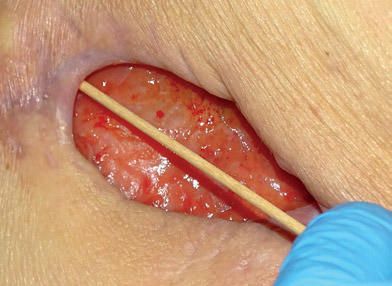
Is the wound edge undermined?
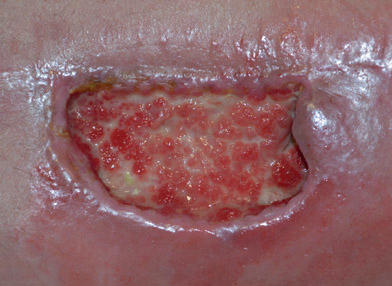
Are there rolled wound edges?

Download the Triangle of Wound Assessment

Wound Assessment form

Wound Assessment form

PDF 2 pages
Preview

Explore topics

Holistic wound management Moist wound healing
  • Facebook
  • Linkedin
  • 1800-653-317
  • Mon - Thur -9 am - 5 pm
    Fri 9 am - 4 pm
  • xxx@coloplast.com
  • Coloplast Group Holtedam 1 3050Humlebaek Denmark
    • Cookie policy
    • Legal Aspects
    • Privacy Notice
    • Coloplast products - instructions for use
    • Accessibility