
Get full access with a free account
Benefits of the Coloplast® Professional Educational platform
- Get full access to all educational content, events and resources
- Track your progress
- Share content with your collegues
- Share supporting material with your patient
Wound preparation is an essential part of wound care.
Did you know that what is removed from the wound is often more important than what is applied to the wound in terms of dressing selection?
Wound preparation helps you optimise the wound environment, by:
- Removing debris and necrotic or non-viable tissue.
- Reducing maladour and exudate associated with tissue breakdown.
- Reducing bacterial load.
- Preventing biofilm activity in the wound.
Why is wound preparation important? 1-3
- Dead or devitalised tissue creates a physical barrier preventing epithelial cells migrating across a wound. Slowing down the healing process
- Dead, devitalised tissue and biofilms also block the delivery of topical agents (antimicrobials), making them ineffective
- Wound assessment is also hindered by dead or devitalised tissue at the wound bed, edge or peri wound skin
- Treatment time and costs increase when preparation is not completed
Clinicians may face challenges as below in their clinical practice
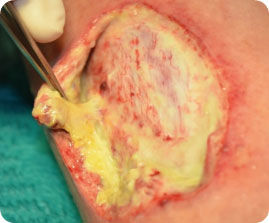
Excess fibrin and slough
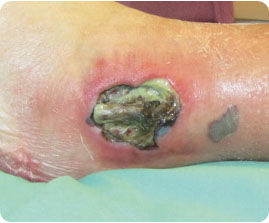
Necrotic tissue and bacteria
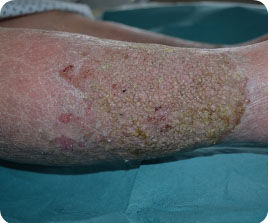
Hyperkeratosis
Importance of Wound Preparation
Did you know, what is removed from the wound is often more important than what is applied to the wound in terms of dressing selection.
What are the main elements of wound preparation?
Wound preparation includes cleansing and debridement, where you prepare all areas of the wound and the skin for healing. By cleansing the wound, you actively remove loose surface contaminants, debris, excess exudate, bacteria and remnants of previous dressings from the wound surface and its surrounding skin.
Some experts consider that only gently cleansing is required to avoid disrupting newly formed granulation tissue. However, chronic or hard to heal wounds with devitalised tissue or suspected biofilm require more vigourous therapeutic cleansing. When a local infection is present in the wound, you can consider using a cleansing agent with antimicrobial properties. By debriding the wound, you remove adherent, non-viable or devitalised tissue, such as slough and necrosis infected tissue and biofilm, foreign material and debris from a wound bed.
The debridement method should always be determined by the patient's clinical need and available debridement choices. Your patient's experienced pain level will guide you how much you can debride the wound.
Debridement methods
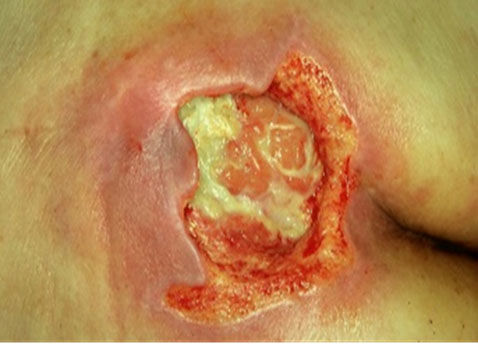
Autolytic debridement1
Autolytic debridement is the process by which the body attempts to shed devitalised tissue by the use of moisture.
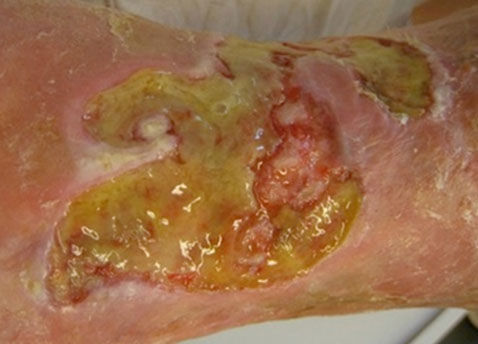
Biological debridement2
The use of maggots grown in a sterile environment. These are applied to the wound bed in order for the maggots to digest the devitalised and dead tissue present.
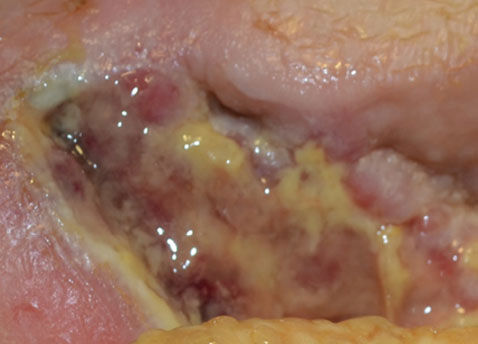
Enzymatic debridement3
Enzymatic debridement is performed by the application of a prescribed topical agent that chemically liquefies necrotic tissues with enzymes.
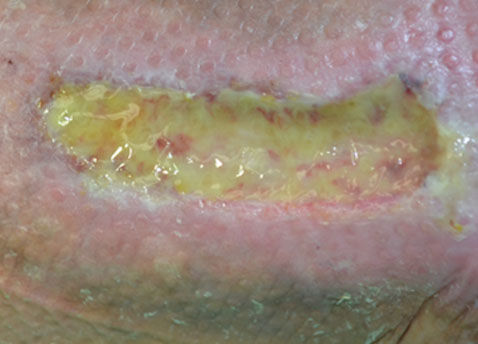
Mechanical debridement4-5
Traditional method involves using wet to dry gauze that dries and adheres to devitalised tissue on the wound bed, which is pulled away when the dressing is removed.
Other forms of mechanical debridement would include hydro surgery or ultrasound.
There are now mechanical wound preparation products, accessible to all clinicians managing wounds.
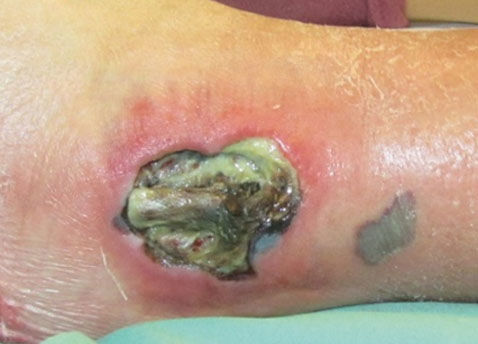
Conservative Sharp debridement5-6
Removal of dead or devitalised tissue using a scalpel, scissors and/or forceps to just above the viable tissue level. This does not result in total debridement of all non-viable tissue and can be undertaken in conjunction with other therapies (eg autolysis).
This type of debridement requires extra training and competency.
What is Mechanical debridement
Mechanical debridement is the most common type of active debridement, and offers an effective method that is readily available, and can be used by healthcare workers, patients and carers with minimal training.
How to cleanse and debride a wound
Alprep® Pad is suitable for a wide variety of wounds including non-infected wounds, infected wounds or wounds with suspected biofilm. Alprep Pad can be used by all clinicians treating wounds.
You can use both sides of Alprep® Pad - it is two tools in one. The dark grey foam is for loosening and the light grey foam is for absorbing and capturing. Loosen first or absorb first, depending on the wound.
When should we be cautious with wound preparation?
- If a patient has a wound on a lower limb and is known to be diabetic (this may be suitable but will require specialist advice).
- If a patient has a known arterial flow concern or poor localised tissue perfusion.
- If healing ability is impaired because of medications or underlying medical condition (e.g. cytotoxic medications, immunosuppressed).